
Why Architectural Builders Should Rethink Their Targeting
5 minute read
We live in a society built around choice.
We don’t walk into a café and order “a coffee”. We order a flat white, oat milk, one sugar, extra hot. We don’t buy “a car”. We buy a ute, a four-wheel drive ute, a rear-wheel drive ute, a station wagon, a hybrid, a sports car, because it needs to suit how we live. Modern consumers are used to buying products designed for their exact needs.
Yet in construction, the way builders present themselves hasn’t evolved in the same way.
Most companies still market themselves as a builder who does new builds, renovations, extensions, decks, fences, and retaining walls. Or they adopt the label architectural builder, which is just as broad, just dressed differently.
The disconnect is obvious. People are making highly specific purchasing decisions in every other part of their lives, but when it comes to building, the industry largely speaks in generalities.
That gap is one of the biggest reasons builders struggle to attract better projects, better margins, and more consistent work.
In marketing meetings, there’s a question we ask almost every builder early on.
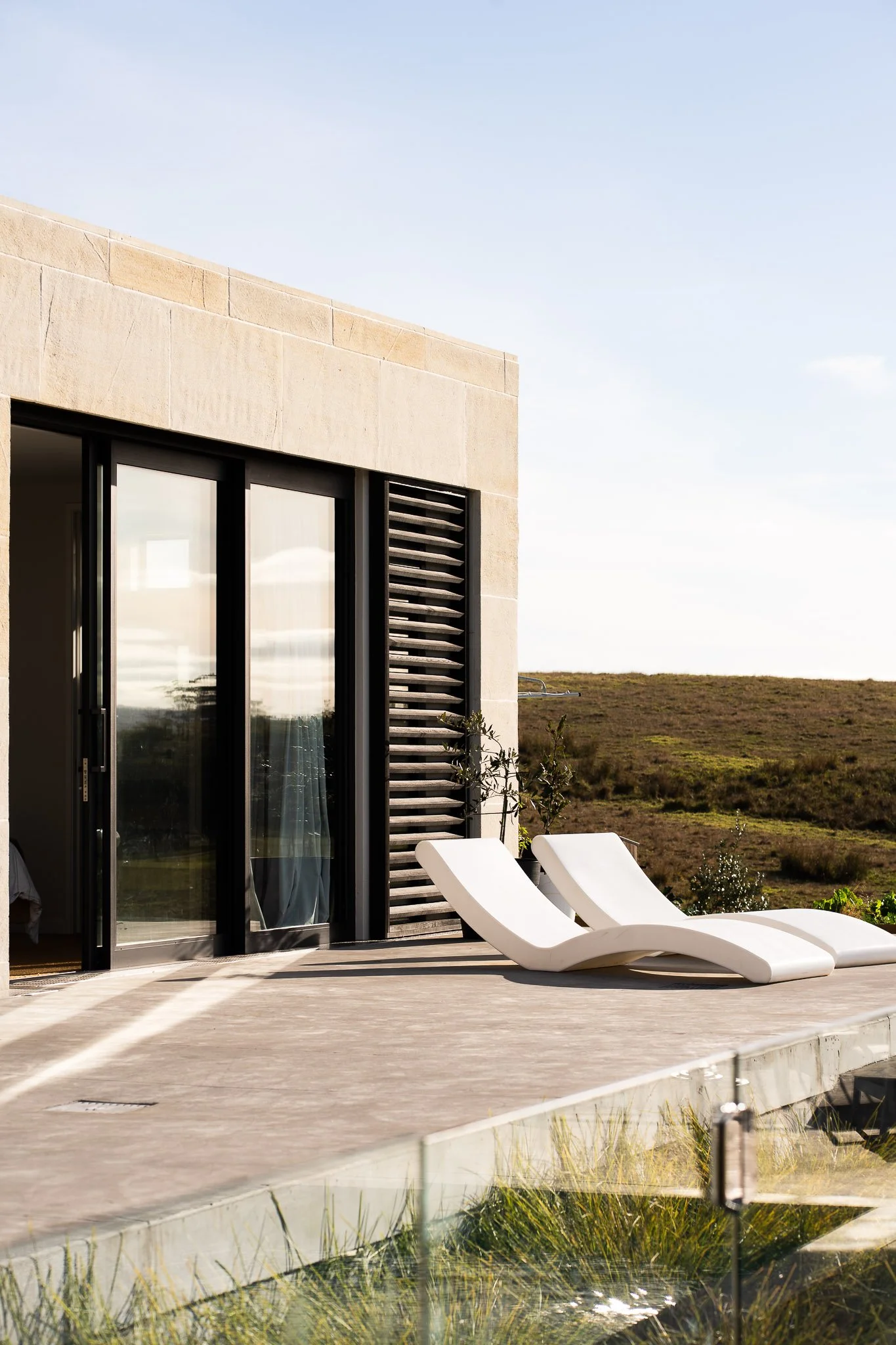
“What do you actually want the business to become?”
For many younger builders or growing companies, the answer is almost always the same. They want to be architectural builders. They want to work on bigger architectural homes and higher-end projects.
When we ask why, the answer often isn’t well defined.
Architectural has become shorthand for success. It’s seen as the top tier of the industry, where the best builders are and where the money is. The problem is that only a small number of companies actually operate in that space consistently, and almost all of them have earned their place over a long period of time.
They’ve built strong relationships with architects and consultants, developed a reputation through delivery, and worked their way into those projects gradually. Many of them don’t even describe themselves as architectural builders. They’re simply known as building companies that do complex, design-led work well.
The label itself is easy to adopt.
There’s no barrier to entry. A handful of detailed photos, muted colours, a minimal logo, desaturated imagery, and suddenly a brand looks ‘architectural’. That look has become a template, and it’s repeated across the industry.
What it doesn’t do is change how the market behaves.
Most homeowners and developers don’t know what an architectural builder is. It’s language used within the industry. People aren’t searching for it. They’re searching for someone who can help with a very specific situation they’re facing.
A client might be dealing with a tight urban site, a heritage renovation, a basement dig-out, steep ground, or a secondary dwelling. A commercial client might need an extension on their factory or a high-end fit-out delivered around existing operations.
These searches are driven by problems, not titles.
When a builder markets themselves broadly, whether as “full service” or “architectural”, they aren’t really speaking to any one person. The message becomes generic, and in a market with a lot of noise, generic messages struggle to hold attention. It also means you are judged as a commodity, where price is the only factor worth considering.
A more effective approach is to think about your niche as your hero product. Your tier-one service.
This is the thing you’re best known for. The type of project or challenge that opens doors and starts conversations. It gives clients a reason to choose you and gives marketing tools something specific to work with, because people (including architects) are actively looking for those solutions.
Once that relationship exists, the scope can expand.
You can confidently say, “Yes, this is what we’re known for, but we also deliver high-quality work across other project types.” Architectural builds and higher-end projects can follow naturally, particularly through referrals.
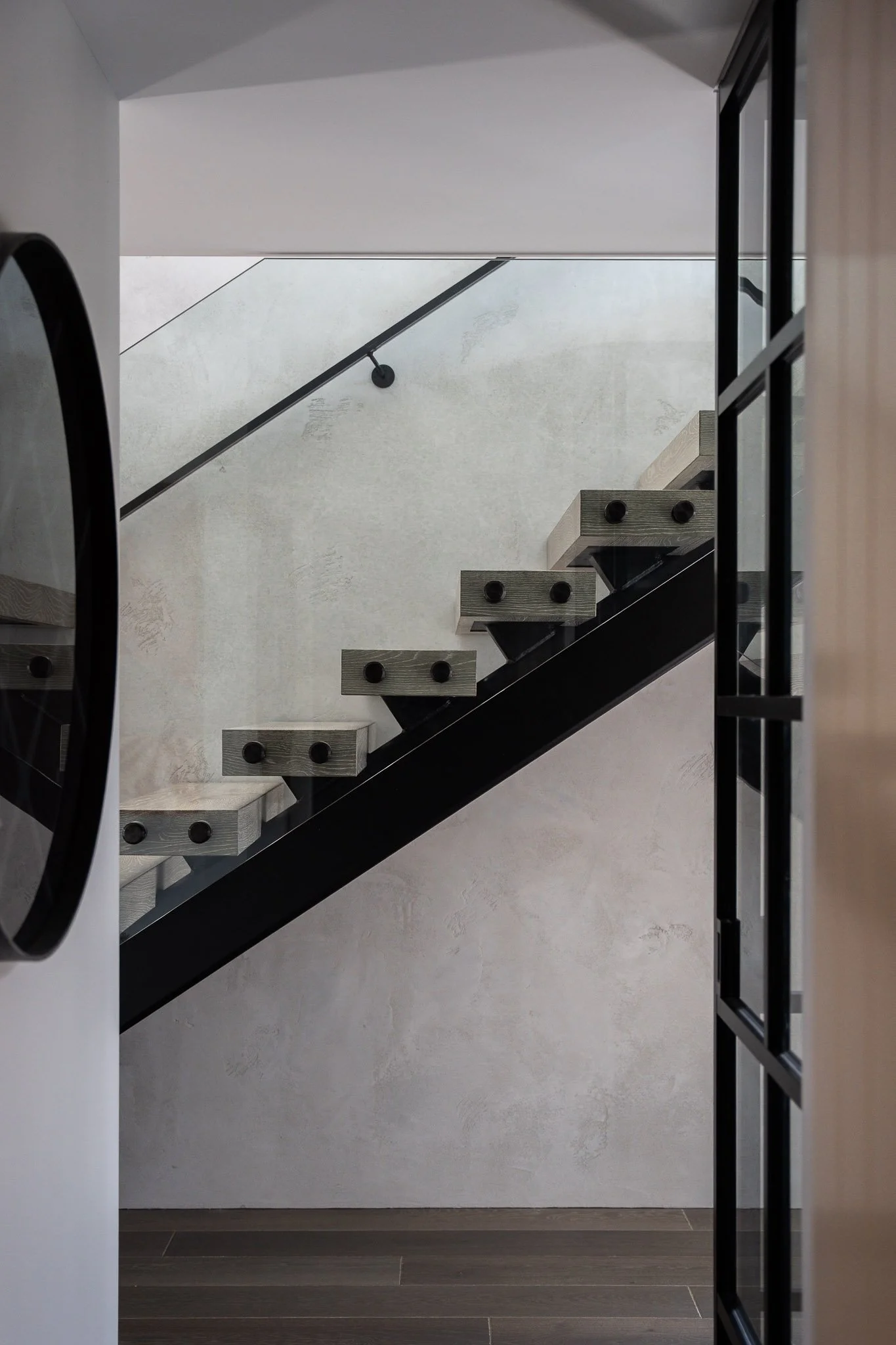
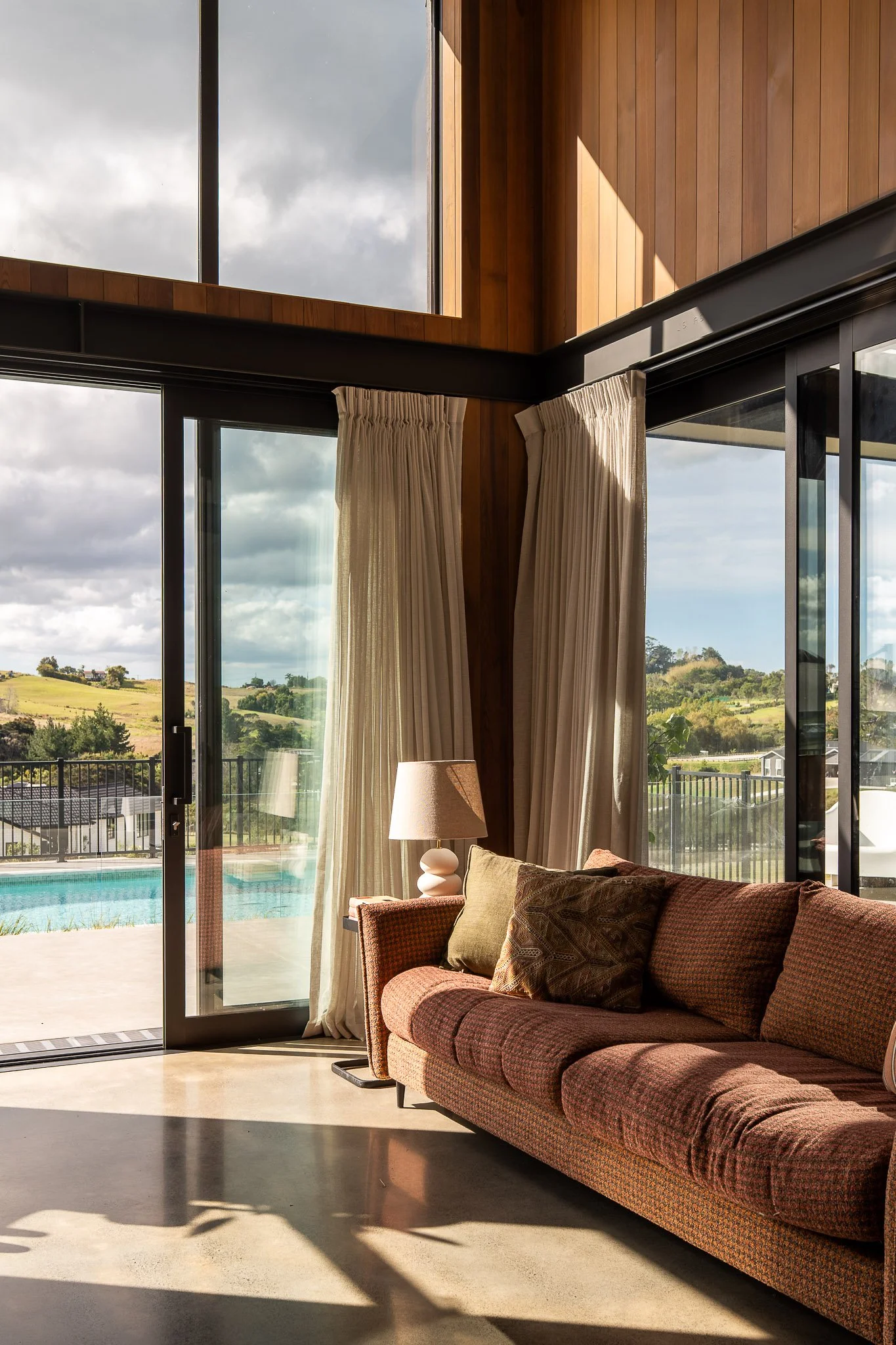
Referrals change the dynamic entirely.
Work that comes through recommendation carries more trust and far less price pressure. You’re not being compared against a long list of alternatives. You’re being brought in because someone believes you’re the right fit. That makes it easier to protect margin than when you’re competing in open tenders.
This genuinely matters because, in practice, many builders are capable of delivering architectural projects. So once again, when large numbers of companies present themselves the same way, pricing becomes the main point of difference.
We’ve seen builders delivering excellent architectural work still struggle with consistency and margins, largely because from the outside, they look interchangeable. High overheads don’t disappear just because the work is design-led, and branding alone doesn’t prevent downward pressure on pricing.
The underlying issue is that the industry hasn’t adapted its marketing to match how people actually make decisions.
In every other part of life, consumers choose products that fit them. They don’t settle for something that does everything reasonably well. They pay more for something that suits them properly.
Building is no different.
Clients want a builder who feels right for their project, their constraints, and their expectations. When marketing reflects that, it becomes easier to attract the right work, have better conversations, and grow in a direction that’s sustainable.
Architectural projects don’t come from calling yourself an architectural builder. They come from relationships, being known for something specific, delivering it well, and letting trust and referral open the next door.
That gap in the industry is real, and solving it is one of the biggest opportunities builders have to create better businesses and better livelihoods.
